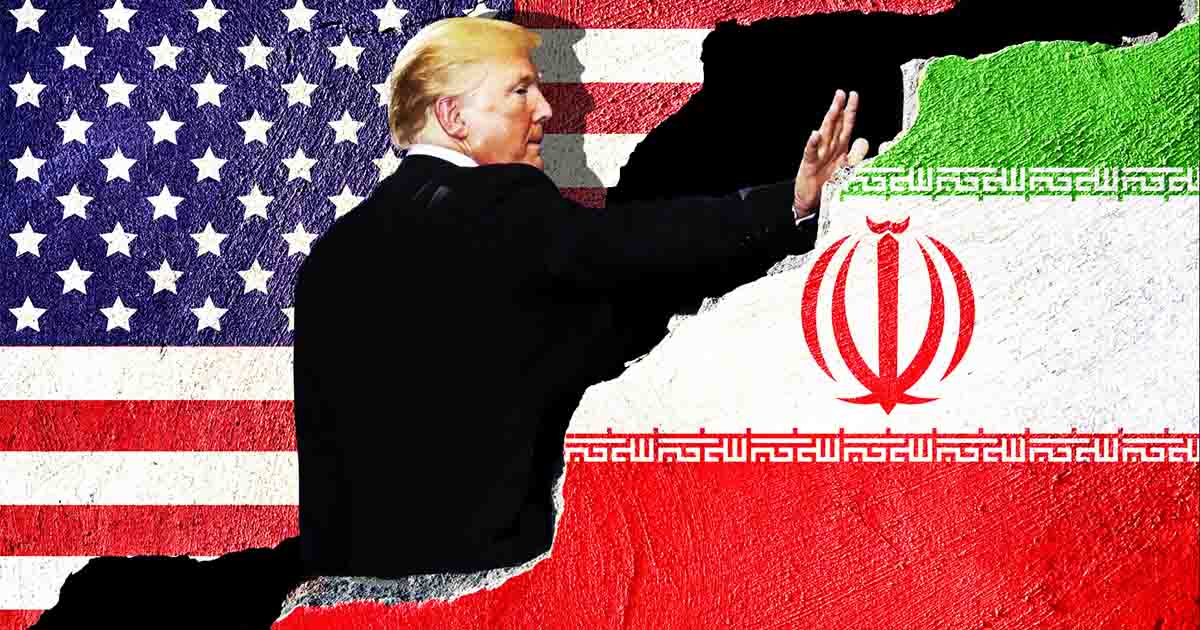
The US carried out strikes in southern Iran for the second night in a row on Thursday after President Donald Trump said the fragile ceasefire was effectively over.
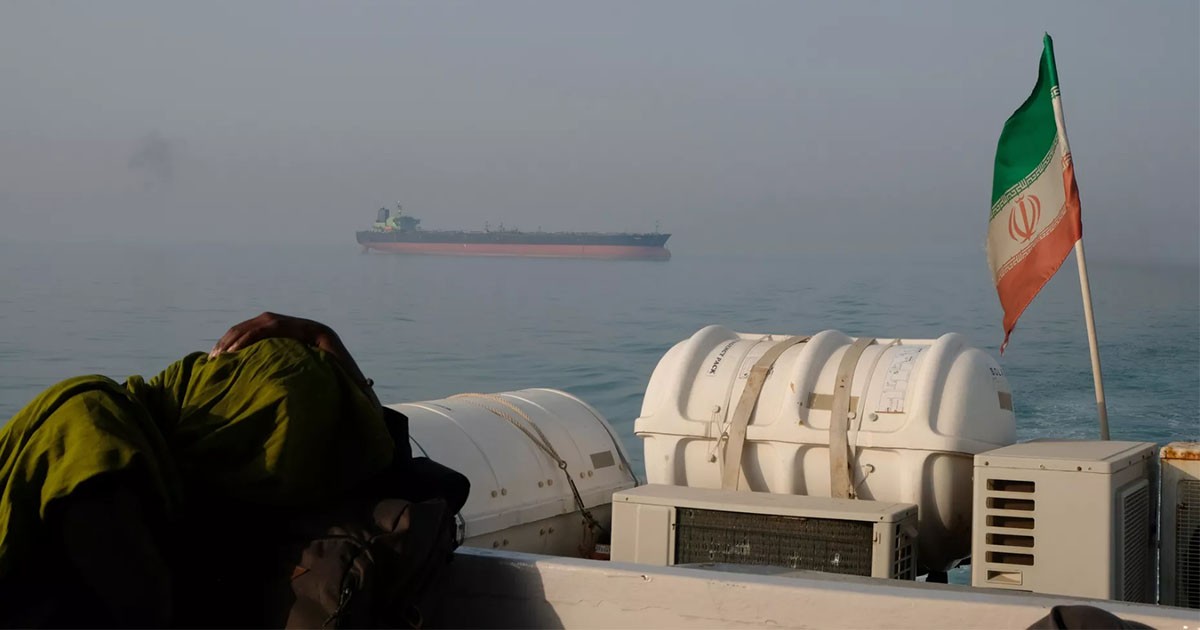
Hostilities resumed after the US and its Arab allies in the region blamed Iran for attacks on tankers in the Strait of Hormuz.
In a statement on X, US Central Command (CENTCOM) said US forces were “conducting additional strikes against Iran to further degrade their ability to threaten freedom of navigation in the Strait of Hormuz.”
Read more: Trump clashes with Netanyahu over potential F-35 sale to Türkiye
“The United States is holding Iran accountable for recent unjustified aggression against commercial shipping and civilian crews freely navigating a vital international waterway,” CENTCOM said.
The US carried out strikes in southern Iran for the second night in a row on Thursday after President Donald Trump said the fragile ceasefire was effectively over.
Hostilities resumed after the US and its Arab allies in the region blamed Iran for attacks on tankers in the Strait of Hormuz.
Read more: Less than half of Americans have faith in NATO – Politico
In a statement on X, US Central Command (CENTCOM) said US forces were “conducting additional strikes against Iran to further degrade their ability to threaten freedom of navigation in the Strait of Hormuz.”
“The United States is holding Iran accountable for recent unjustified aggression against commercial shipping and civilian crews freely navigating a vital international waterway,” CENTCOM said.
According to Iranian state broadcaster IRIB, the attack on Chabahar, the country’s largest port, also damaged Imam Ali Hospital and severed major power lines. Electricity has since been partially restored.
The strikes reportedly caused a large fire in Bushehr.
CENTCOM later reported additional strikes, saying US forces struck around 90 Iranian military targets, including air defense systems, missile and drone storage sites, as well as other targets on Iran’s coastline.
The attacks came during weeklong funeral processions for Iran’s longtime supreme leader, Ali Khamenei, who was killed during the first wave of the US-Israeli bombing campaign on February 28. Massive crowds attended events across Iran and neighboring Iraq.
Trump issued a warning to Iran shortly after the strikes began. “This is in retribution for yesterday’s bombing of ships by Iran. If it happens again, it will get much worse!” he wrote on Truth Social.
Several hours earlier, the president declared that the ceasefire with Iran was effectively over. “I think it’s over. I don’t want to deal with them any more. They’re scum,” he told reporters during a meeting with NATO Secretary General Mark Rutte in Türkiye.
Mohsen Rezaei, a military adviser to Iran’s Supreme Leader, Mojtaba Khamenei, vowed “severe punishment” for the US strikes.
The Iranian military later announced retaliatory strikes on US bases in Kuwait and Bahrain.
The US said it struck more than 80 targets in Iran on Wednesday after three commercial ships were hit by projectiles. Although Tehran did not claim responsibility for the incidents, Iranian media reported that the vessels had attempted to pass through the strategic Strait of Hormuz without authorization.
The US and Iran have clashed over the interpretation of the memorandum of understanding they signed on June 17. Under the deal, Iran agreed to “make arrangements using its best efforts for the safe passage of commercial vessels” through the Strait of Hormuz. At the same time, Iran and Oman were to begin negotiations to “define the future administration and maritime services” in the waterway. Iran has repeatedly insisted that it has the right to regulate traffic and collect tolls.
With additional input by GVS and agencies