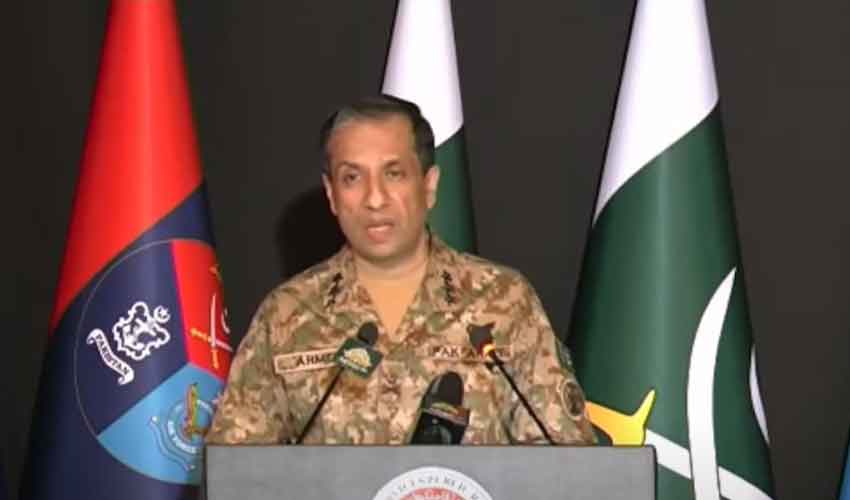
Pakistan remains committed to achieving a negotiated and peaceful resolution to the ongoing Middle East conflict and does not want the war to expand further, Inter-Services Public Relations (ISPR) Director General Lieutenant General Ahmed Sharif Chaudhry has said.
In an interview with CNN, the military spokesperson said Pakistan was making efforts to reduce differences between the parties involved and would continue to take all possible steps to prevent further escalation.
“We want that this conflict should not expand horizontally or vertically,” Lt Gen Chaudhry said, stressing that Pakistan had a significant stake in maintaining regional peace and stability.
Read more: India detains ‘cockroach’ movement leaders in bid to thwart election protest
He added that Islamabad believed no country would benefit from an expansion of the conflict and was committed to encouraging dialogue and diplomacy to address regional tensions.
Pakistan Says It Is an Honest Broker
Responding to a question about whether Pakistan could maintain its position as a neutral broker amid Iran’s attacks on Saudi Arabia and the involvement of Iran-aligned Houthi forces, the ISPR DG said Pakistan had demonstrated its credibility through its actions.
“I think what Pakistan has been doing is exhibiting that we have been a very honest broker,” he said.
Lt Gen Chaudhry explained that Pakistan’s approach was based on honesty and transparency with its regional partners and international friends. He maintained that Islamabad had communicated its position clearly to all sides rather than avoiding difficult issues.
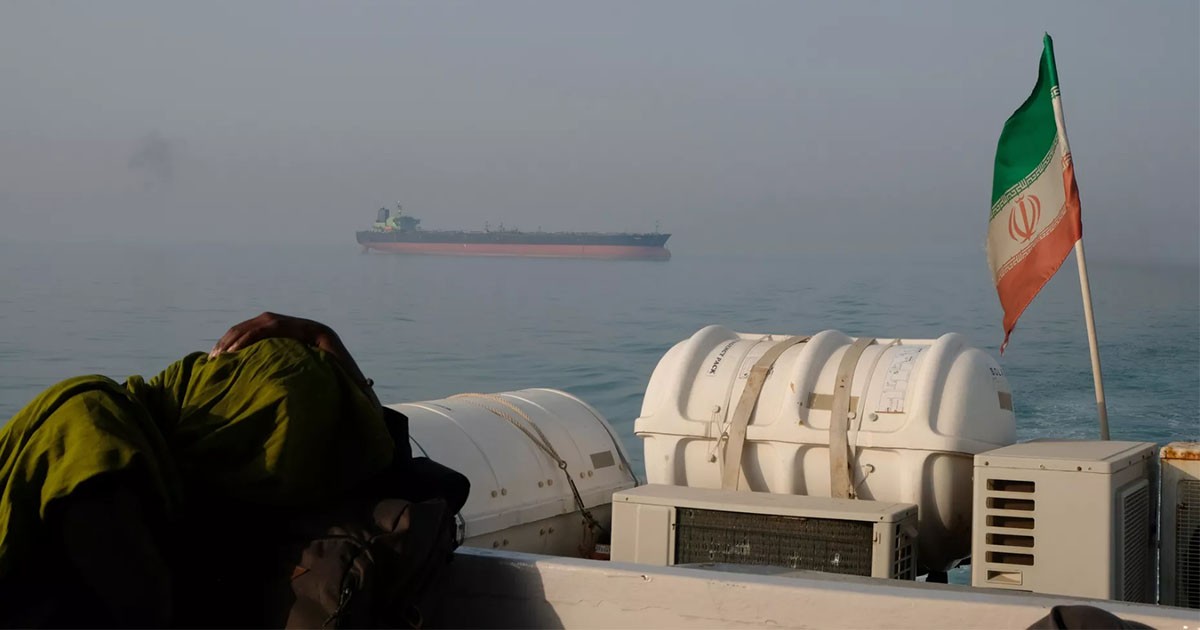
The military spokesperson said Pakistan had openly condemned attacks by Israel and the United States against Iran. At the same time, Islamabad had also condemned Iranian attacks on Arab and Gulf countries.
“We do not mince our words. Why? Because we have a stake in regional peace and stability,” he said.
“We tell all that nobody benefits from expanding this war,” he added.
Read more: Yemen govt forces say advancing against Houthis around key waterway
Pakistan’s position, according to the ISPR chief, reflects its interest in preventing a wider regional confrontation that could threaten security, diplomatic relations and economic stability across the Middle East.
Makkah Defence Agreement to Remain Defensive
Discussing the Makkah Joint Defence Agreement, Lt Gen Chaudhry said Pakistan was examining how the agreement’s military commitments would be operationalised.
He emphasised that the accord would be purely defensive, with its implementation shaped by operational commanders in light of regional security challenges and emerging threats.
The agreement is intended to strengthen defence coordination among Pakistan, Saudi Arabia and Türkiye, three countries with longstanding diplomatic, political and military relationships.
The ISPR DG’s remarks come as the participating countries move towards implementing their collective defence commitments amid heightened regional tensions.
Under the agreement, an armed attack against one member is considered an attack against all, establishing a framework for mutual defence among the signatories.
However, the practical arrangements for deploying forces and coordinating military capabilities are expected to follow approved procedures and the national laws of the participating countries.
Pakistani Troops Have Been in Saudi Arabia for Decades
Asked by CNN whether Pakistani troops or military personnel were already present in Saudi Arabia as part of the Makkah alliance, Lt Gen Chaudhry said Pakistan’s military presence in the kingdom predated the agreement by several decades.
“Pakistani troops have been there for decades […] in Saudi Arabia,” he said.
He explained that the defence arrangement had not emerged in isolation, but was built on established ties between Pakistan, Saudi Arabia and Türkiye.
“So I can share with you that Pakistani troops, in multiple capabilities and domains, are already there,” the ISPR DG said.
His comments highlighted the longstanding military cooperation between Islamabad and Riyadh, which has included defence-related engagement and military training over the years.
The statement did not specify the number of Pakistani personnel currently stationed in Saudi Arabia or provide details about their existing assignments. It also did not indicate whether the latest agreement would immediately change the composition or size of Pakistan’s military presence in the kingdom.
Pakistan, Saudi Arabia and Türkiye Agree on Rapid Deployment
The ISPR chief’s comments follow a decision by Pakistan, Saudi Arabia and Türkiye to immediately implement their collective defence commitments and ensure the rapid deployment of agreed military forces and capabilities in Saudi Arabia.
The decision was taken during an emergency meeting of the Makkah Joint Defence Agreement in Riyadh on Monday, according to a joint statement shared by Pakistan’s Foreign Office.
The three countries said the deployment would take place under approved arrangements and in accordance with their respective national laws.
According to the statement, the measures are intended to enhance military readiness, improve integration between the participating forces and strengthen their collective defence capabilities.
The decision marks a step towards putting the agreement’s commitments into practice, although further operational details have not been publicly outlined.
The participating countries are expected to coordinate the implementation process through their established defence and military channels.
Regional Security Remains a Key Concern
The developments come amid continuing tensions across the Middle East, with concerns growing that further military action could draw additional countries into the conflict.
Pakistan has repeatedly emphasised the importance of preventing escalation while maintaining close relations with Gulf countries and other regional partners.
Its position involves condemning attacks against both Iran and Arab and Gulf states while encouraging diplomatic efforts to narrow differences between the parties.
The Makkah defence agreement adds another dimension to Pakistan’s security cooperation with Saudi Arabia and Türkiye. While its implementation is focused on collective defence, Islamabad has maintained that it wants the wider regional conflict to be resolved through negotiations rather than further military escalation.
Lt Gen Chaudhry’s remarks underline Pakistan’s stated objective of balancing its defence commitments with efforts to promote regional stability.
As the three countries begin implementing the agreement, the extent of military coordination and the specific arrangements for deploying forces will be important factors in determining how the alliance operates amid evolving security challenges.