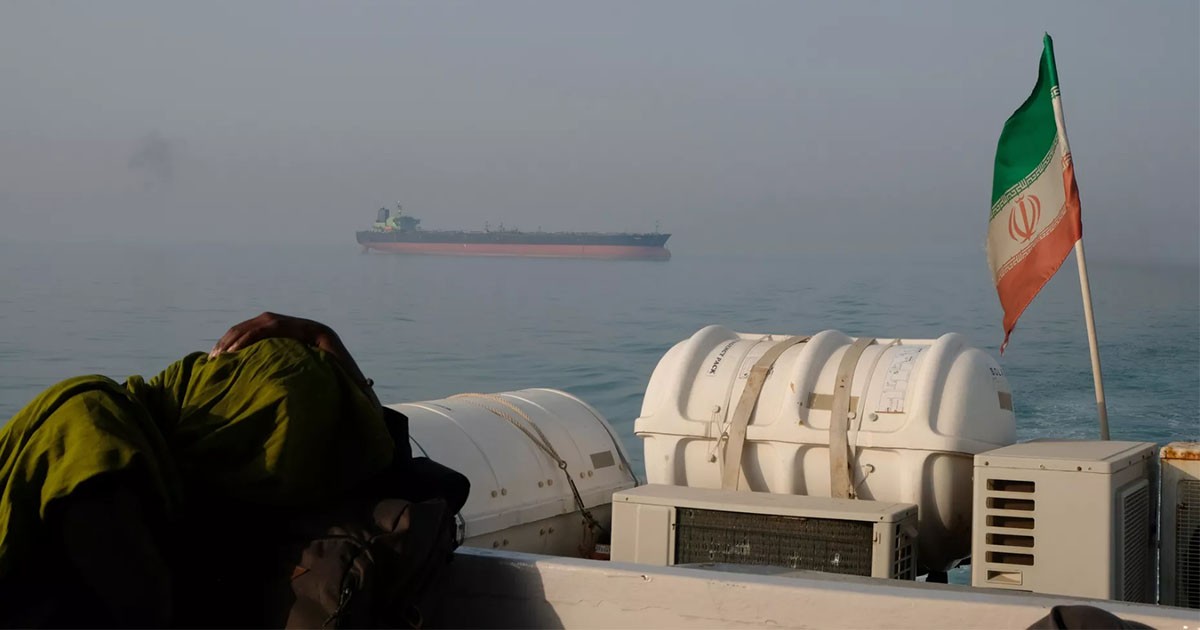
Iran has agreed to set up a ‘hotline’ with the US and other countries to “prevent and resolve any misunderstandings” involving ships transiting the Strait of Hormuz, Tehran’s chief negotiator, Mohammad Bagher Ghalibaf, has said.
The strait will henceforth be “managed under Iranian arrangements” and will “never return to what it was before the war,” Ghalibaf said on Monday, returning from the first round of talks with the US in Switzerland.
“Problems can arise in the Strait of Hormuz, so we agreed to establish a center and a communications line so that if issues occur, we can resolve them more quickly within a 30-day period,” Ghalibaf was quoted as saying by the Mehr news agency.
The communications line will not be used to obtain Iranian permission for passage through the waterway, he added, saying clearance procedures will remain separate. Instead, it will serve as a mechanism for resolving issues involving ships and clarifying potential incidents.
Galibaf stressed that Iran will “implement international laws precisely” and move quickly to resolve any incidents or misunderstandings involving ships transiting the waterway.
Read more: Russian strikes injure six in Ukraine as fuel crisis deepens into Siberia
“Naturally, just as problems may arise in Lebanon or elsewhere, problems can also arise in the Strait of Hormuz,” Ghalibaf said. “As you’ve seen, on some nights there have even been clashes.”
Washington and Tehran agreed on a roadmap toward a final accord following Qatar- and Pakistan-mediated talks at the Swiss resort of Buergenstock at the weekend. While no joint statement was released, mediators said the sides agreed to a 60-day path toward a final deal, further technical negotiations, and the creation of a high-level committee to oversee the process.
Galibaf stressed that Iran will “implement international laws precisely” and move quickly to resolve any incidents or misunderstandings involving ships transiting the waterway.
Read more: Trump threatened Netanyahu with ‘divorce’, NYT reporters say in new book
“Naturally, just as problems may arise in Lebanon or elsewhere, problems can also arise in the Strait of Hormuz,” Ghalibaf said. “As you’ve seen, on some nights there have even been clashes.”
Washington and Tehran agreed on a roadmap toward a final accord following Qatar- and Pakistan-mediated talks at the Swiss resort of Buergenstock at the weekend. While no joint statement was released, mediators said the sides agreed to a 60-day path toward a final deal, further technical negotiations, and the creation of a high-level committee to oversee the process.