US grain farmers have been plunged into their worst financial crisis in four decades as the war with Iran drives up diesel and fertilizer costs, the Financial Times reported on Tuesday. The latest price shock compounds years of weak crop prices and falling incomes.
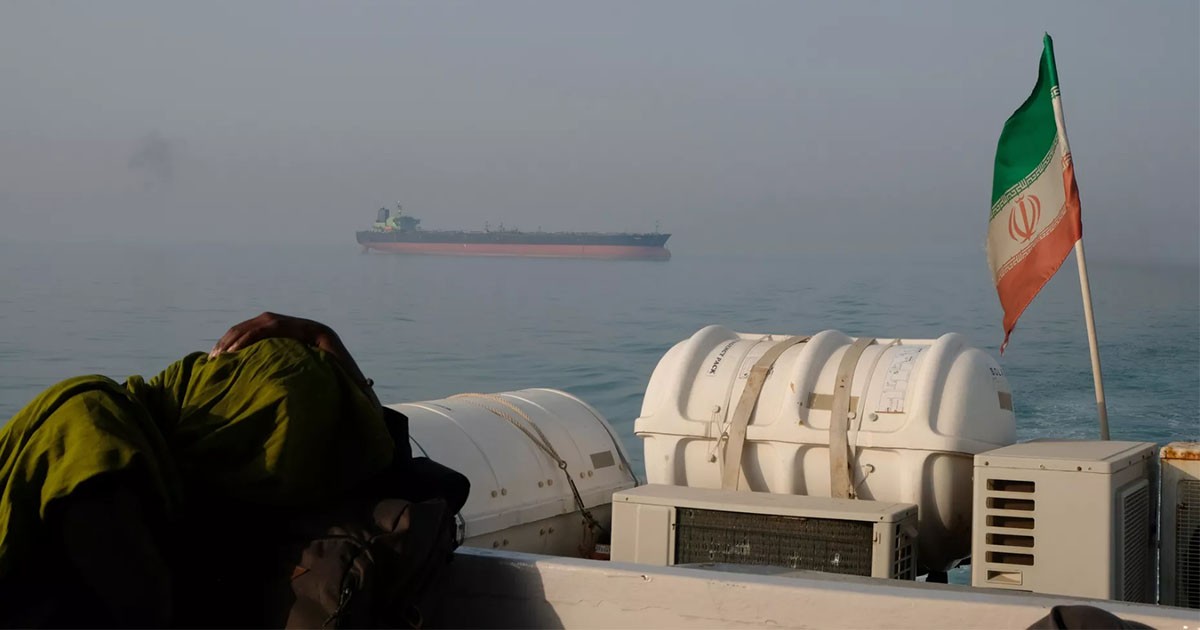
The mounting pressure follows the US-Israeli attack on Iran in February, which prompted Tehran to largely block commercial shipping through the Strait of Hormuz, a key route that previously served about a fifth of the world’s energy supplies. The resulting surge in energy costs is hitting the US heartland ahead of November’s midterm elections, which will determine control of Congress.
Farmers across the Corn Belt have been particularly hard hit by soaring diesel and crop nutrient prices since the military campaign began, the FT reported. Nebraska Farmers Union president John Hansen described the downturn as the sector’s worst since the 1980s.
”Inputs are way out of whack,” Nebraska corn and soybean farmer Matt Bailey told the newspaper. He said a phosphorus-rich fertilizer used at planting now costs more than $900 per ton, compared with about $470 a decade ago.
Diesel prices have also surged after the conflict disrupted energy markets and sharply reduced traffic through the Strait of Hormuz. The nationwide average has climbed to about $5.45 per gallon from $3.81 before the war, according to US Energy Information Administration data.
”The [Iran] war has made so much uncertainty for us as farmers,” Pam Johnson, a former president of the National Corn Growers Association, told the FT. “It’s projected that farmers aren’t going to make any money for the next two years.”
The latest shock comes after several difficult years for major US crops. American Farm Bureau Federation economists estimate that growers of nine principal crops will lose about $31 billion in 2026 without federal assistance, with losses expected to reach $32 billion next year. Corn producers are projected to lose $131 per acre this year and $167 in 2027, while soybean losses are forecast at $80 and $138 respectively.
Farmers also blamed Washington’s trade disputes for weakening overseas demand, particularly for US soybeans in China. The Trump administration asked Congress in June for another $11 billion in assistance for the sector after billions of dollars in earlier payments.
Drought and unusually hot weather have compounded the pressure, damaging crops across parts of the Corn Belt, including Nebraska. Corn prices have risen as traders cut estimates for this year’s harvest, while soybeans and wheat have also rallied, fueling concerns that higher commodity costs could add to inflation already running above the Federal Reserve’s 2% target.