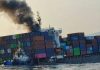

A Singapore-flagged cargo ship, the GFS Pride, has caught fire and sunk near the Strait of Hormuz after reportedly being struck by a projectile, leaving shipping containers floating in the open sea. All 21 crew members aboard the vessel escaped safely, according to Singapore maritime authorities.
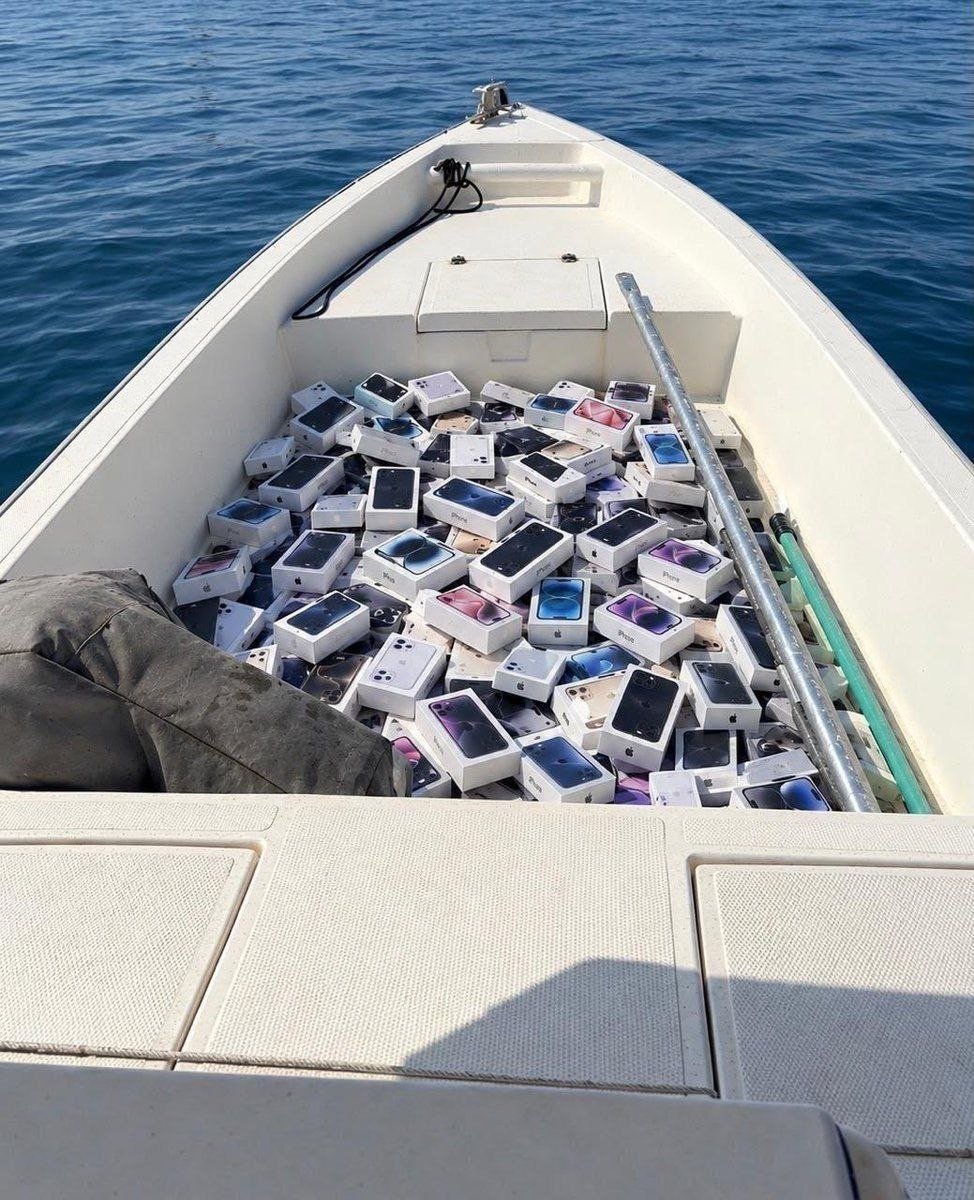
Container ship, attacked by Iran yesterday in the Strait of Hormuz and subsequently sunk, was carrying various branded perfumes and colognes. Part of the cargo ended up with local fishermen. It is reported that several containers also contained shipments of iPhone smartphones. https://t.co/O1ognCsn6v
— 𝕊𝕡𝕣𝕚𝕟𝕥𝕖𝕣 𝕻𝕣𝕖𝕤𝕤 (@SprinterPress) October 15, 2026
The incident adds to growing concerns over maritime security in one of the world’s most strategically important shipping routes, where attacks on commercial vessels have intensified. The sinking also follows reports of another ship going down after an earlier strike that killed one crew member.
Read more: US considers hitting Iran with ‘Mother of All Bombs’: report
The latest incidents have raised fresh questions about the safety of international shipping operations in the region, particularly as commercial vessels continue to navigate waters vital to global trade and energy supplies.
GFS Pride Catches Fire and Sinks
The GFS Pride reportedly caught fire after being struck by a projectile while operating near the Strait of Hormuz. The damage caused the vessel to sink, leaving shipping containers and other debris floating on the surface of the sea.
Shipping containers are left floating in the open sea after a cargo ship sinks near the Strait of Hormuz, one of the world’s most critical shipping routes.
The Singapore-flagged GFS Pride caught fire and sank after reportedly being struck by a projectile. All 21 crew members escaped safely, according to Singapore maritime authorities.
The sinking comes as attacks on commercial vessels intensify near the strait, with a second ship also confirmed sunk following an earlier strike that killed one crew member.
— Fox News (@FoxNews) October 15, 2026
The circumstances surrounding the reported strike, including the exact origin of the projectile and the party responsible, were not immediately established in the available information.
Read more: Actor Imran Khan Asked to Leave India by October 28 After CJP Protest
Singapore maritime authorities confirmed that all 21 crew members survived the incident. Their safe escape prevented further loss of life, although the sinking represents another serious incident involving commercial shipping in the region.
The incident also highlights the risks faced by merchant vessels operating in waters where military tensions and attacks on maritime traffic have become an increasing concern.
Further details about the extent of the damage, the cargo aboard the ship and the circumstances leading to its sinking were not immediately available.
🇮🇷 The Strait of Hormuz is starting to look like a floating junkyard.
Containers and debris from the recent attacks on ships are now drifting through the route that normally carries about a fifth of the world’s oil.
Every container bobbing out there is cargo that never arrived, and a price tag that’s about to land on someone’s bill.
Writer: Julie
https://t.co/19VdOPA2BZ— Mario Nawfal (@MarioNawfal) October 15, 2026
Second Vessel Also Reportedly Sunk
The sinking of the GFS Pride comes amid reports of another commercial vessel being sunk following an earlier strike in the area. That incident reportedly resulted in the death of one crew member, underscoring the potentially deadly consequences of attacks on civilian shipping.
The two incidents have intensified concerns about the security of commercial vessels travelling through the region. Shipping companies, maritime authorities and international operators face growing pressure to assess the risks associated with routes passing through or near the Strait of Hormuz.
BREAKING: Iran announces a large UAE-owned container ship carrying more than 2,500 containers hit a naval mine, exploded and sank this morning in the US-backed southern Omani corridor of the Strait of Hormuz.
It is the first vessel sunk by a mine in the war.
Initial reports indicate the cargo ship was carrying luxury perfumes and iPhones from Dubai.
— The Hormuz Letter (@HormuzLetter) October 14, 2026
Repeated attacks on merchant ships can disrupt shipping schedules, threaten the safety of seafarers and increase the financial risks associated with transporting goods through the area.
The latest developments also underline the vulnerability of commercial vessels, which may be exposed to serious dangers even when their primary purpose is transporting cargo rather than participating in military operations.
Why the Strait of Hormuz Matters
The Strait of Hormuz is a narrow waterway connecting the Persian Gulf with the Gulf of Oman and the wider Arabian Sea. It serves as a crucial passage for international maritime trade, particularly shipments of crude oil, petroleum products and liquefied natural gas.
A substantial share of the world’s seaborne oil exports passes through the strait, making its security essential for energy markets and the global economy.
Any disruption to shipping through the waterway can have consequences extending well beyond the Middle East. Delays, vessel damage and restrictions on maritime movement can affect energy supplies, transportation costs and international supply chains.
Because of its strategic importance, the strait has long been a focal point of regional tensions. Incidents involving commercial vessels can therefore trigger wider concerns about the possibility of further escalation and the security of international trade.
Growing Concerns Over Maritime Security
The sinking of the GFS Pride highlights the challenges facing commercial shipping operators as attacks on vessels increase near the strategically important waterway.
The loss of the ship, together with the reported sinking of another vessel, has drawn attention to the risks faced by seafarers and the potential for further disruption to international maritime traffic.
For shipping companies, such incidents can lead to higher insurance costs, operational delays and difficult decisions about whether to continue using affected routes. For governments and maritime authorities, protecting crews and maintaining the safe movement of commercial vessels remain major concerns.
Although all 21 crew members aboard the GFS Pride survived, the earlier incident that reportedly killed a crew member demonstrates the human cost of deteriorating maritime security.
As investigations and assessments continue, further information will be needed to establish the circumstances of the reported strike and determine its wider implications for shipping in the Strait of Hormuz.
The incidents serve as another reminder that instability along critical maritime corridors can threaten lives, disrupt trade and create uncertainty across the global economy.