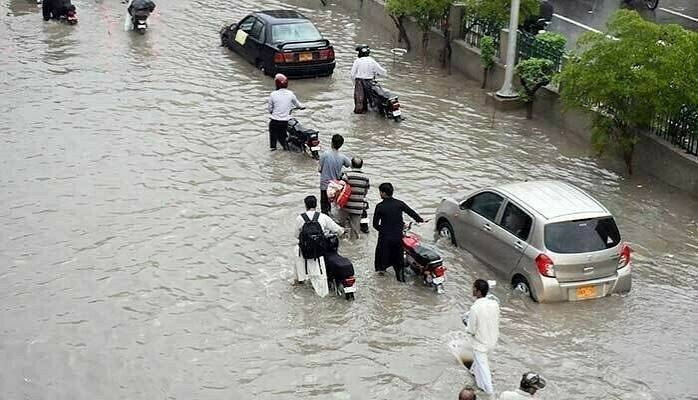
Heavy monsoon rainfall lashed Islamabad and Rawalpindi on September 1, triggering widespread urban flooding, disrupting traffic and prompting authorities to close schools in Rawalpindi as water levels in Nullah Lai rose sharply.
While the PM and the top leadership enjoys trips outside Pakistan, back home total disaster pic.twitter.com/niEu0gPHig
— Mohammad Zubair (@Real_MZubair) September 1, 2026
The twin cities received exceptionally heavy rainfall, with some areas recording up to 200 millimeters of rain. The downpour overwhelmed drainage systems and caused water to accumulate on major roads and residential areas.
Nullah Lai, a major water channel passing through Rawalpindi, swelled to around 29 feet, raising concerns of flooding in low-lying areas and prompting authorities to issue warnings to residents living near the waterway.
Roads and Residential Areas Flooded
اسلام آباد ایکسپریس وے جگہ جگہ سے بارش کے پانی میں ڈوب چکی ہے اور ہزاروں گاڑیاں ٹریفک میں پھنسی ہوئی ہیں اسلام آباد پولیس لوگوں کی مدد تو کر رہی ہے لیکن اسلام آباد میں ایک مؤثر بلدیاتی حکومت کی ضرورت ہے کم ازُکم اسلام آباد کو ہی نیا صوبہ بنا دیں تا کہ کوئی تو عوامی مسائل حل کرے pic.twitter.com/vDg0xc8haM
— Hamid Mir حامد میر (@HamidMirPAK) September 1, 2026
Several areas across Islamabad and Rawalpindi were affected by the heavy rainfall, with roads submerged and traffic severely disrupted.
In Islamabad, sectors including E-11 experienced significant flooding as rainwater accumulated on roads and entered surrounding areas. Shamsabad in Rawalpindi was also among the areas badly affected by the heavy downpour.
کیا آپ نے کبھی اسلام آباد میں سیلابی صورتحال دیکھی یہ قدرتی آفت نہیں شہر کی تعمیراتی قوانین کی خلاف ورزیوں سی ڈی اے کی نا اھلی کا شاخسانہ ھے.
سیکٹر ڈی بارہ سے آنے والے قدرتی نالہ سکڑتے سکڑتے چند فٹ کا رہ گیا نالے کے اردگرد تعمیرات کی گئیں ۔چند سال قبل حکومت نے تحقیقات کا آرڈر کیا… pic.twitter.com/ALyLFG2EEe— Tahir Naeem Malik (@TahirNaeemMalik) September 1, 2026
The intense rainfall caused difficulties for commuters, with vehicles struggling to pass through flooded roads. Residents faced disruptions as water collected outside homes and businesses.
Authorities deployed emergency teams and water pumps to remove accumulated rainwater from affected locations and keep major roads accessible.
Rawalpindi Schools Closed
In response to the worsening weather conditions, authorities in Rawalpindi declared a holiday for schools as a precautionary measure.
The decision was aimed at protecting students and staff from risks associated with flooded roads, heavy rainfall and rising water levels in Nullah Lai.
I have been living in this area since 94, and these roads have never been flooded, even when they were single-lane.
The construction has ruined Islamabad. It is the 3rd time in this month that this patch is flooded. pic.twitter.com/LMuCbF5eU5— Rubab Hussain (@rubabhussain86) September 1, 2026
Authorities also urged residents living near the nullah to remain alert and evacuate vulnerable areas where necessary.
Rescue teams were placed on alert as officials monitored the situation and worked to respond to flooding-related emergencies.
پنڈی ڈوب گیا ہے،،، #بارش #rawalpindi pic.twitter.com/b5Ogm2TugK
— Daniyal Qureshi (@qureshidaniyal1) September 1, 2026
Despite the scale of the rainfall and flooding, no fatalities were reported in the initial reports.
Nullah Lai Raises Flood Concerns
The rising water level in Nullah Lai remained one of the major concerns for authorities.
The waterway reached approximately 29 feet following the intense rainfall, increasing the risk to communities located along its banks and in nearby low-lying areas.
Reflects general state of neglect. Islamabad has seen massive downpours far more intense but never ever this type of flooding on main roads! https://t.co/IOBZxSlE7r
— Shireen Mazari (@ShireenMazari1) September 1, 2026
Officials continued monitoring the nullah while rescue and emergency teams remained prepared to respond to any further rise in water levels.
Residents were advised to avoid unnecessary travel and remain cautious around flooded roads and waterways.
The heavy rainfall also highlighted the vulnerability of the twin cities to urban flooding during the monsoon season, particularly when drainage networks are unable to cope with large volumes of water within a short period.
Residents Blame Construction Encroachments
The flooding has once again sparked criticism from residents and journalists over the state of drainage and waterways in Islamabad and Rawalpindi.
Many residents argued that construction and encroachments around natural waterways have narrowed drainage channels and reduced their ability to carry large volumes of rainwater.
They said repeated flooding should prompt authorities to examine urban development practices and take action against encroachments that obstruct the natural flow of water.
Critics also called for better urban planning, improved drainage infrastructure and more effective enforcement of regulations governing construction near waterways.
Calls for Better Urban Planning
The latest flooding has renewed calls for long-term measures to protect the twin cities from increasingly severe monsoon rainfall.
While emergency teams worked to drain flooded areas and manage the immediate situation, residents stressed that temporary responses alone would not be sufficient to address recurring urban flooding.
Experts and citizens have increasingly called for improved stormwater drainage systems, protection of natural waterways and stronger controls on construction in flood-prone areas.
With heavy rainfall continuing to pose a seasonal threat, authorities face growing pressure to strengthen the cities’ preparedness and ensure that drainage infrastructure can cope with extreme weather events.
For residents of Islamabad and Rawalpindi, Tuesday’s rainfall served as another warning of the challenges posed by rapid urban development, inadequate drainage and increasingly intense monsoon downpours.